|
FAU Earns Third Carnegie Designation
Florida Atlantic University is one of 277 U.S. colleges and universities to receive the Carnegie Community Engagement Classification for 2026, an elective designation awarded by the American Council on Education and the Carnegie Foundation for the Advancement of Teaching that highlights an institution’s commitment to community engagement.
With this recognition, Florida Atlantic is now one of only 11 universities in the United States to achieve three Carnegie Foundation designations: Carnegie Community Engagement Classification, “R1: Very High Research Spending and Doctorate Production,” and “Opportunity College and University.”
Read more. |
|
Alaska's Beluga Whales Swap Mates for Survival
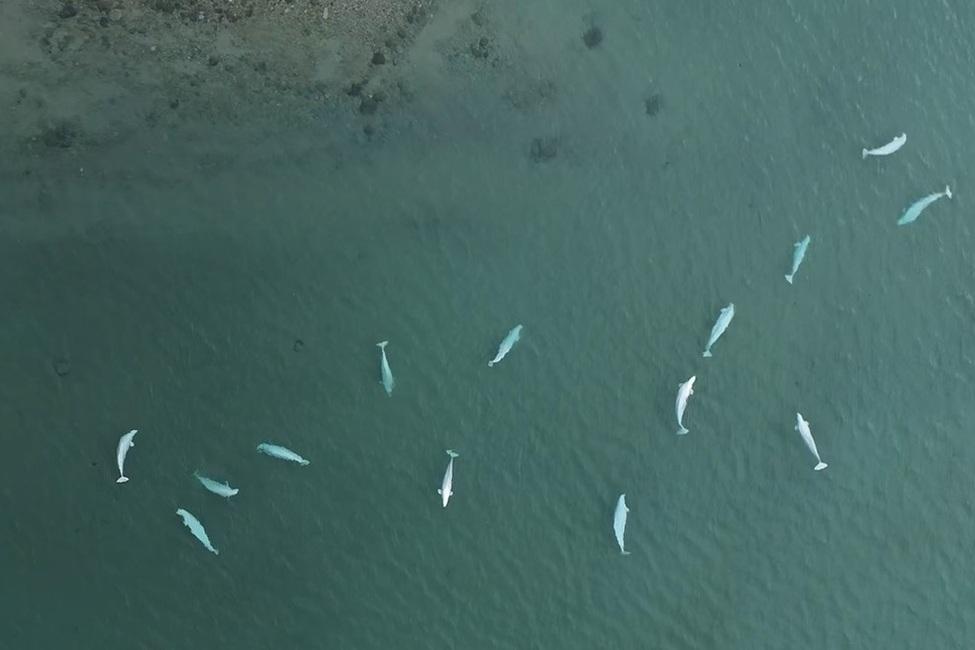
In the icy waters of Alaska’s Bristol Bay, beluga whales survive through a surprising strategy: mating with multiple partners over several years. Researchers from FAU Harbor Branch, the Alaska Department of Fish and Game, and the North Slope Department of Wildlife Management used long-term genetic analysis and behavioral observations to show that both males and females share reproductive opportunities, creating numerous half-siblings and maintaining genetic diversity in this small, isolated population. By spreading reproduction across many individuals over a long reproductive lifespan, belugas reduce inbreeding and preserve long-term resilience.
Read more. |
Fin of the Month: REXX
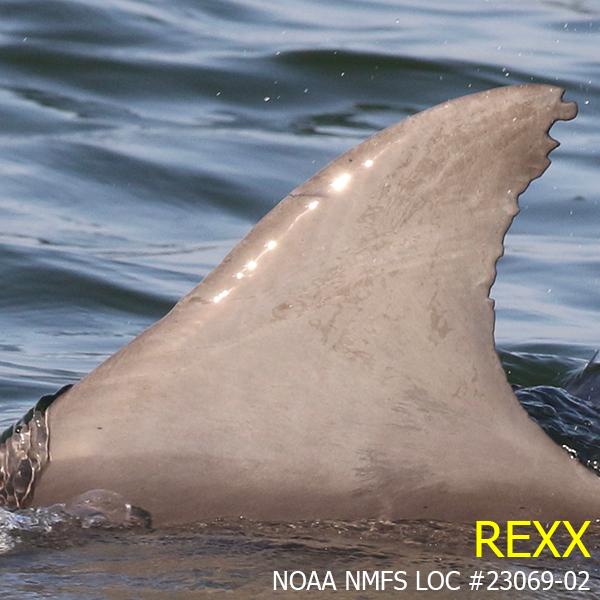
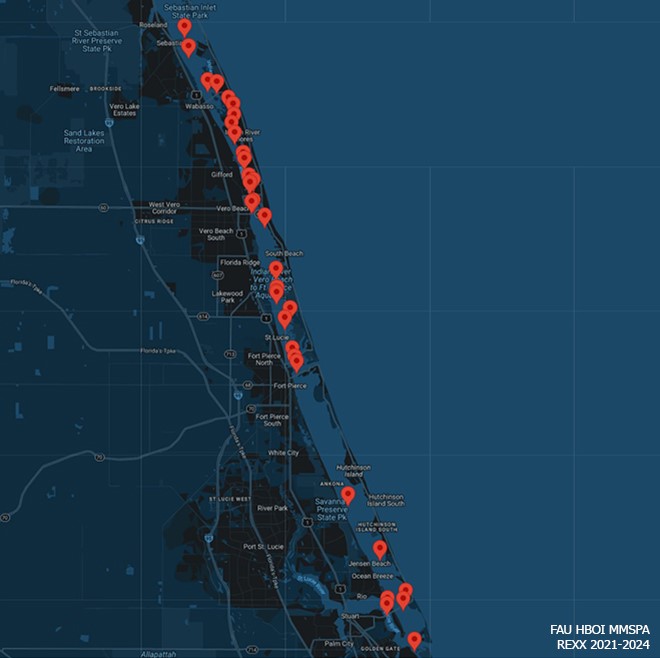
Meet “REXX” who was first identified by the FAU Harbor Branch Marine Mammal Stranding and Population Assessment (MMSPA) team in February 2021 and has been documented 33 times since. The MMSPA team uses the unique markings on a dolphin’s dorsal fin to identify individuals – much like a human fingerprint – and REXX’s distinct upper notches make her easy to recognize in the field. |
|
REXX is a mom who has often been sighted between the Sebastian and Fort Pierce inlets, but she sometimes travels as far as the St. Lucie Inlet. Check out all the places she has been sighted on the map above. Since first encountering REXX, the team has documented her with two different calves, including her current calf, c2REXX, who is approximately four years old. REXX and c2REXX are often seen associating with other known dolphins as well, such as Kaia and her calf (c1KAIA), Riptide (RPTD), and Mittens (MITN) – who was the December 2025 Fin of the Month.
If you see dolphins while out on the water, please remember to stay 50 yards away. If you see a marine mammal in distress, please call the FWC hotline (888) 404-3922. |
|
Welcome Semester By The Sea 2026
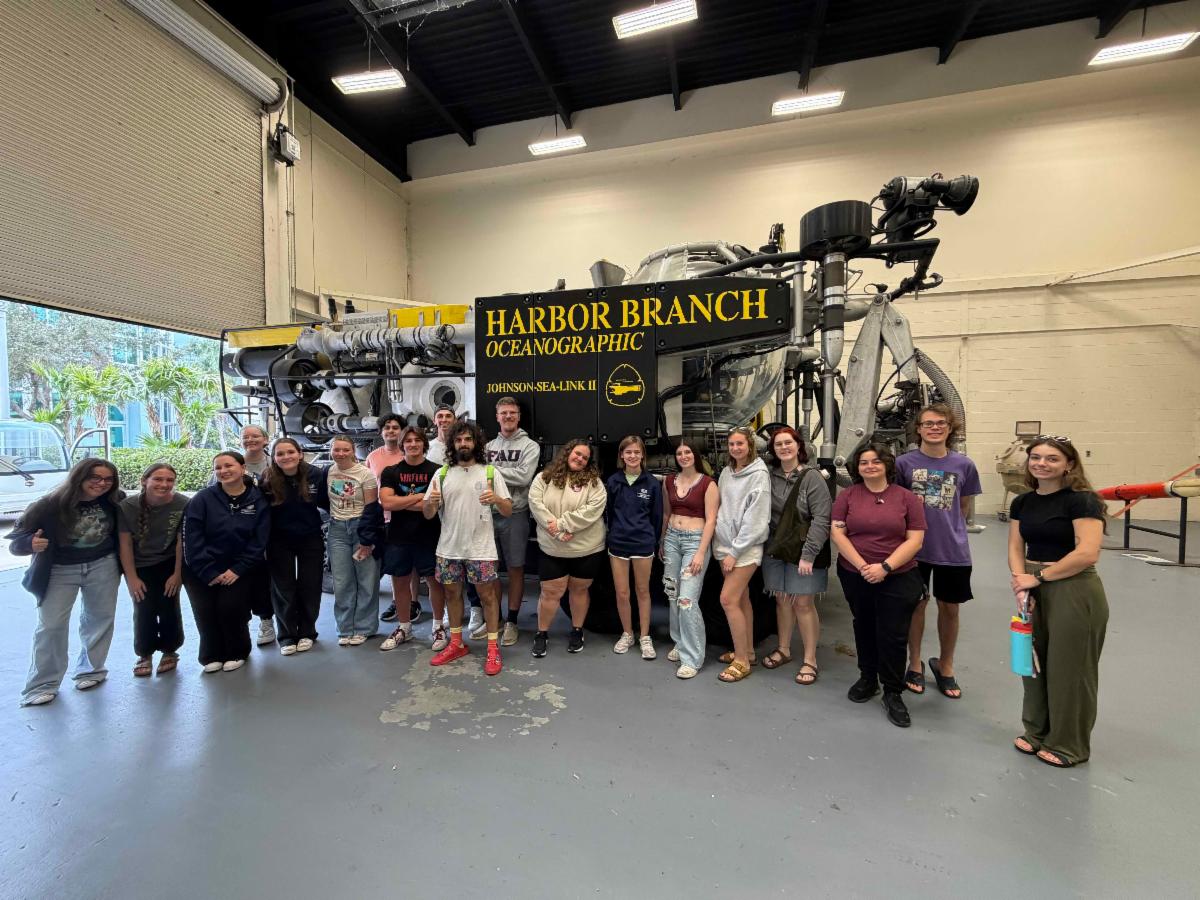
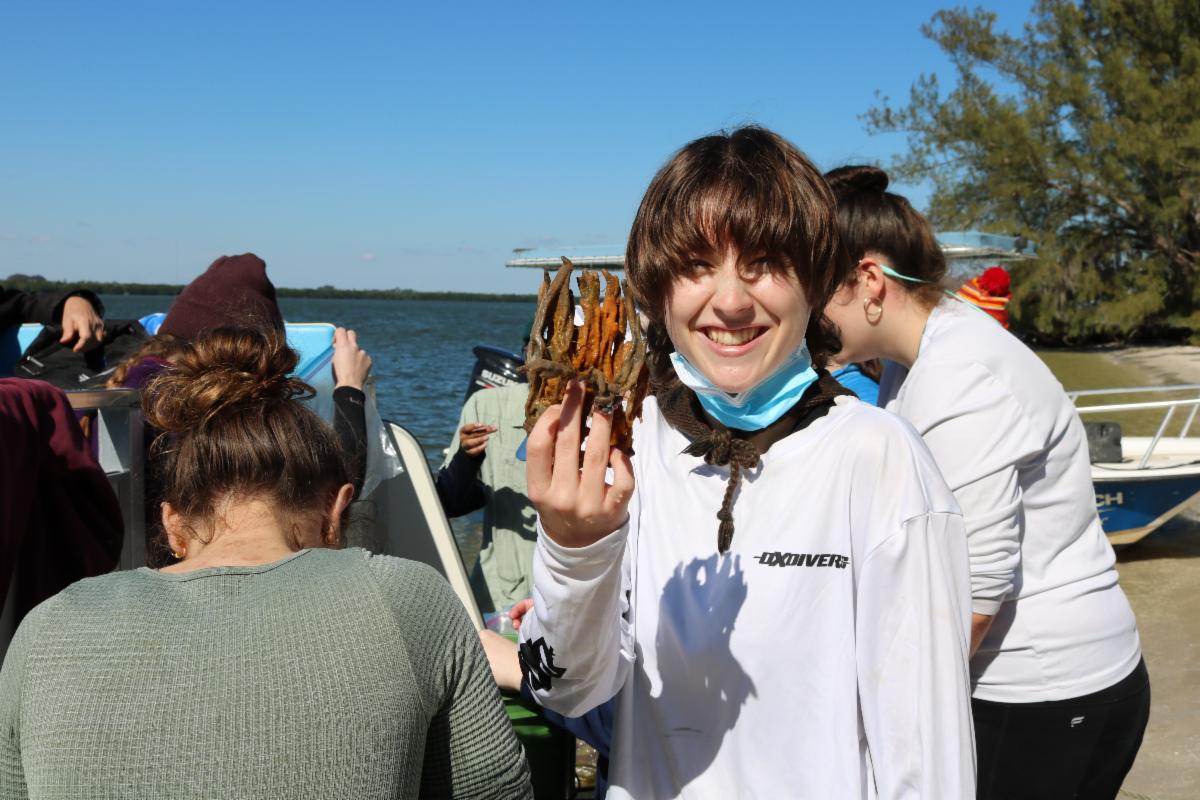
Semester By The Sea kicked off in January with 19 students set to spend the Spring semester focused on marine science and oceanography at FAU Harbor Branch. Now in its 25th year, Semester By The Sea offers undergraduates a unique opportunity to immerse themselves in the living laboratories in Harbor Branch's backyard: the Indian River Lagoon and the Atlantic Ocean. The semester-long curriculum combines classroom, field and laboratory lessons to broaden students' educational experience in marine science and prepare them to be future environmental researchers and stewards. The program is generously supported by Wayne and Lucretia Weiner.
Learn more. |
|
MOA Students in Action
Students at Westwood Academy’s Marine and Oceanographic Academy (MOA) experienced a wide range of hands-on STEM lessons.
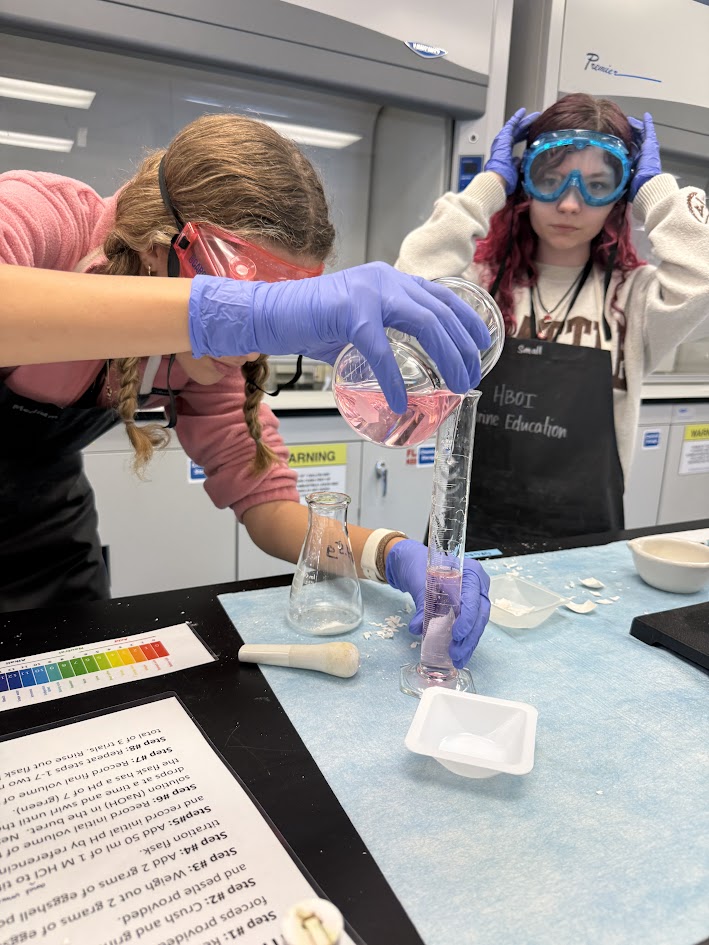
Chemistry students conducted titration experiments to compare the percentage of calcium carbonate present in organic versus conventional eggshells. Throughout their experiment, they collected and analyzed data to compare the numerical results with their observations.
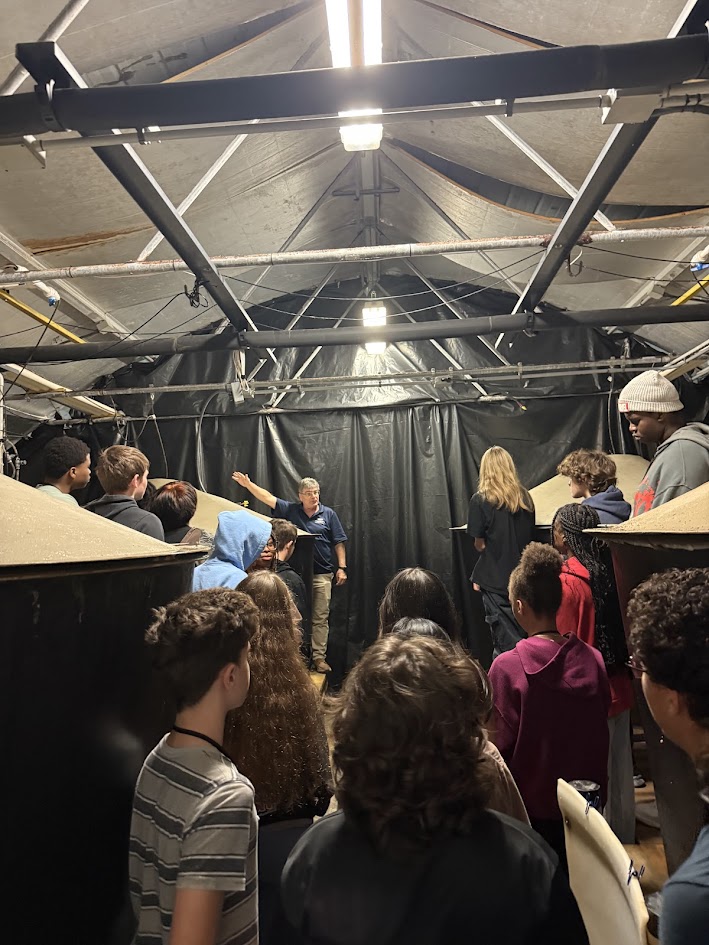
In environmental management, Jim Masterson, Ph.D., led students on an educational tour of the FAU Harbor Branch aquaculture facility. They learned about sustainable fisheries management, aquaculture practices and innovative technologies that support food security and ecosystem resilience.
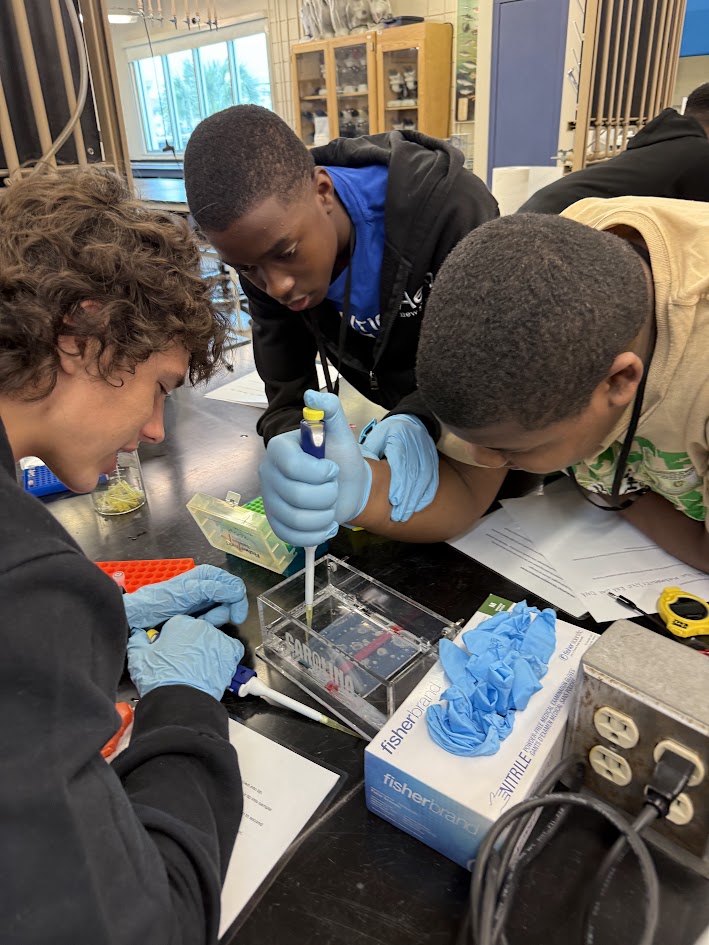
Biology students simulated genetic analysis of red snapper by amplifying genetic material with polymerase chain reaction (PCR) and visualizing the results with gel electrophoresis.
Through this program, students are getting a one-of-a-kind experience by working with professional laboratory equipment and learning from researchers firsthand. |
|
Junior Scientists Update
Barnacles may be small, but they play a big role in keeping coastal ecosystems healthy by filtering water, reducing harmful microorganisms and serving as a food source for other species. This makes them an important indicator of overall ecosystem health.
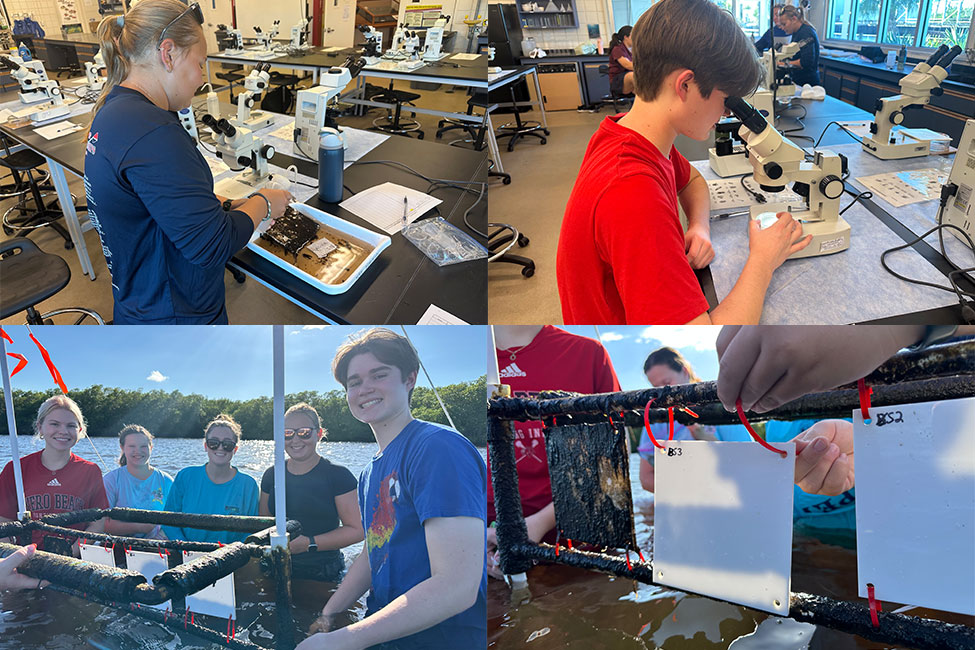
At the Coastal Oaks Preserve along the Indian River Lagoon, students in the FAU Harbor Branch and Indian River Land Trust’s Junior Scientist Program are taking a closer look at how and where these organisms settle.
Through hands-on fieldwork, students are deploying acrylic settling plates offshore, conducting weekly plankton tows to study barnacle larvae in the water column, and counting barnacles under microscopes to track growth and settlement patterns.
By comparing barnacle growth on landward- and lagoon-facing plates, students are uncovering how environmental conditions (such as salinity and temperature) can influence recruitment. Their findings will help support long-term monitoring efforts and contribute to a broader understanding of lagoon health, which demonstrates how student-led research can make a meaningful impact on local coastal science. |
|
2026 John & Barbara Ferrera Ocean Science Lecture Series
Learn about the important research underway at FAU Harbor Branch and around the world. Lectures are held on Wednesdays at 4 p.m. in the FAU Harbor Branch Johnson Marine Education Center Auditorium, followed by a meet and greet with the speaker. Virtual attendance is available. Attendance is free. Advanced registration is required to attend in person.
Visit our website to register, view the full lecture schedule, watch live and recorded lectures, and more. |
|
|
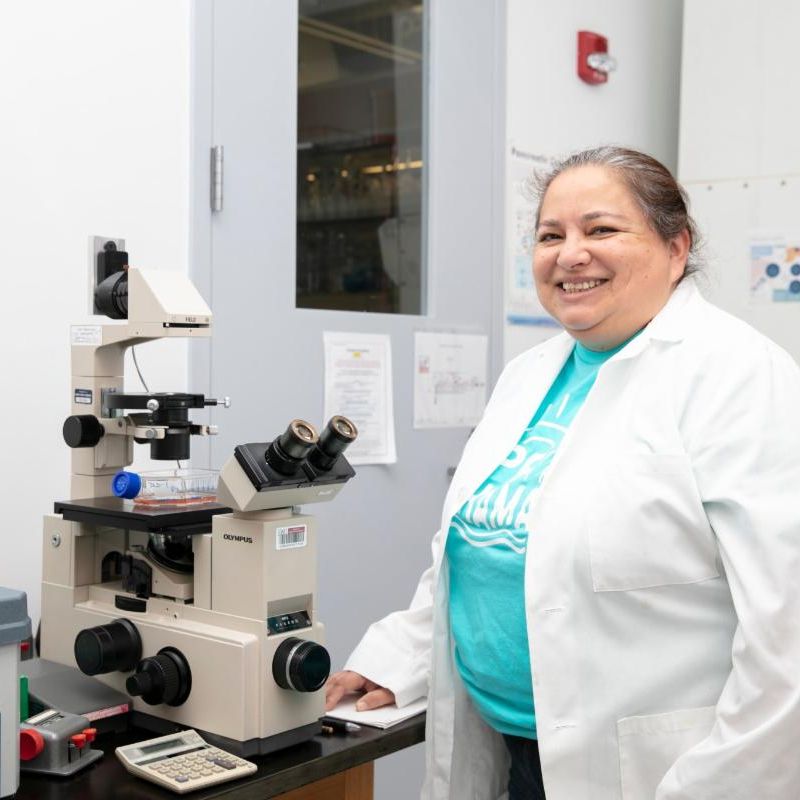
Feb. 4 - Discovery of Anti-Cancer Drugs from the Sea
Esther Guzmán, Ph.D. |
Feb. 11 - The Science of the Great Atlantic Sargassum Belt
Brian Lapointe, Ph.D. |
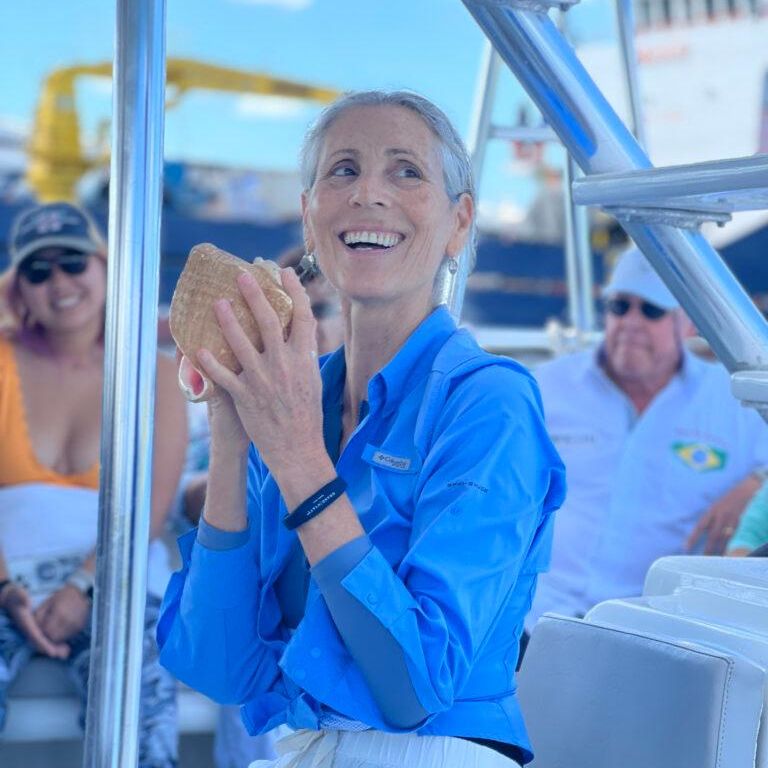
Feb. 18 - Our Story: The Queen Conch Lab
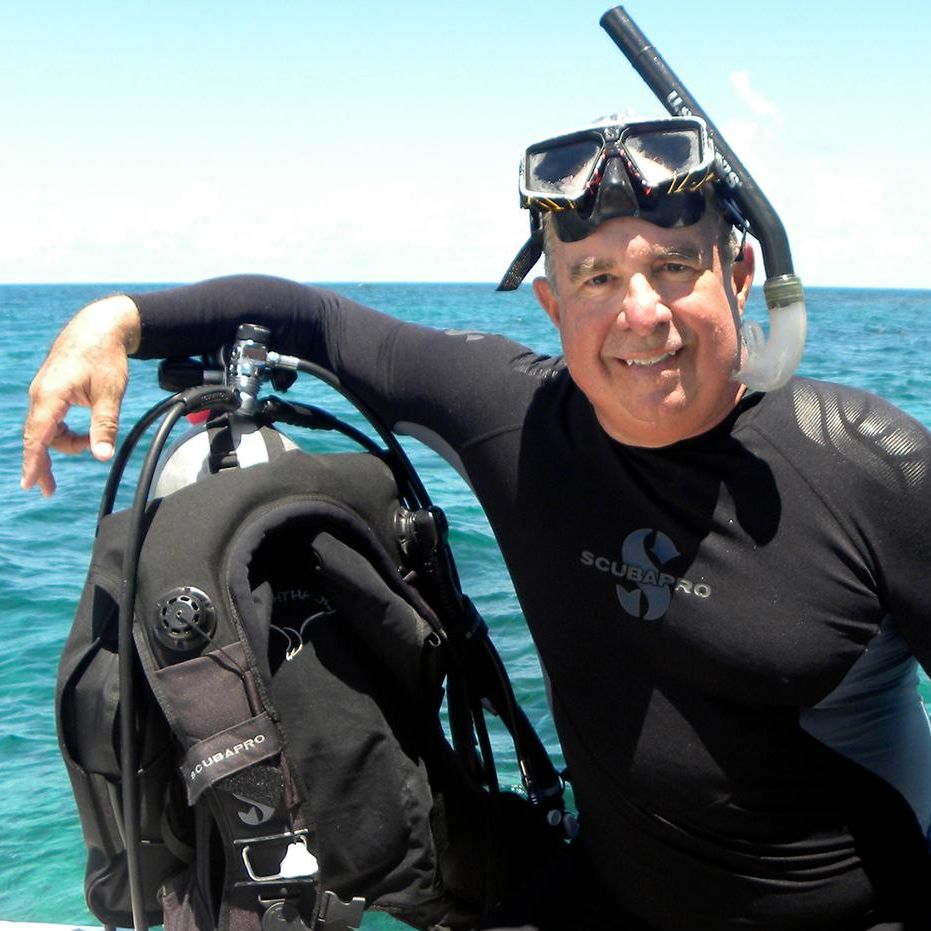
Megan Davis, Ph.D. |
Feb. 25 - From Classroom to Coastline: Preparing the Next Wave of Ocean Leaders
Gabby McHenry, Ph.D. |
|
|
|
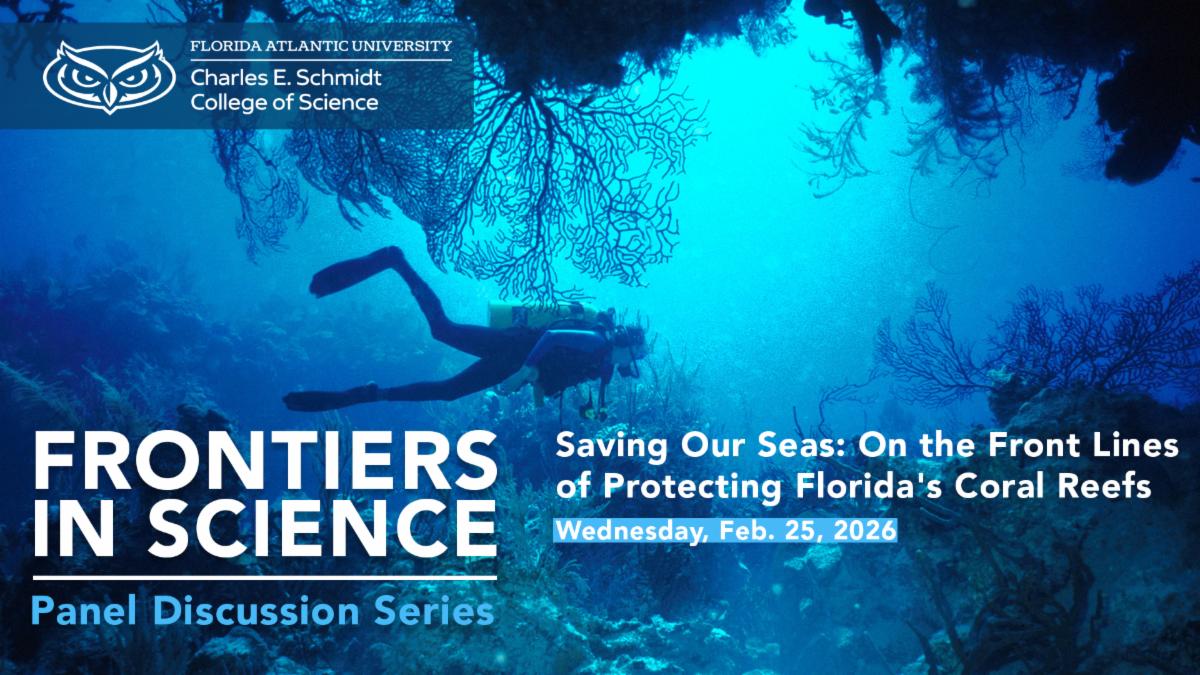
Saving Our Seas: On the Front Lines of Protecting Florida's Coral Reefs
Wednesday, Feb. 25
5:30-7:30 p.m.
Live Oak Pavilion, Student Union, Florida Atlantic University, Boca Raton |
|
|
|
Florida Marine Educators Association 2026 Conference
April 23-25
FAU Harbor Branch Oceanographic Institute |
|
| FAU Harbor Branch's outreach team travels to events throughout Florida with hands-on marine science educational exhibits and activities. In addition, FAU Harbor Branch scientists share their expertise through public lectures and workshops. |
|
Gardenfest
Saturday and Sunday, Feb. 7 and 8
9 a.m. to 5 p.m. each day
Riverside Park
Vero Beach
Manateefest
Saturday, Feb. 7, 9 a.m. to 4 p.m.
Manatee Lagoon
West Palm Beach |
|
TurtleFest
Saturday and Sunday, Feb. 21 and 22
10 a.m. to 5 p.m. each day
Loggerhead Marinelife Center
Juno Beach
NatureFEST
Saturday, Feb. 28, 10 a.m. to 2 p.m.
Manatee Center
Fort Pierce |
|
Jumpstart Postdoctoral Program
The Charles E. Schmidt College of Science Jumpstart Postdoctoral Program aims to stimulate synergy between faculty and postdoctoral associates interested in collaborating on multidisciplinary research that addresses societally relevant problems. Solving complex societal challenges increasingly requires multidisciplinary and team-based approaches. The Schmidt College of Science is uniquely positioned to facilitate multidisciplinary studies with its diverse academics and research across eight academic departments and multiple cross-departmental graduate programs and research centers of excellence on three campuses.
Application deadline: Feb. 2, 2026
Learn more. |
|
Marine Energy Survey
Did you know the Gulf Stream - one of the world's strongest currents - can flow up to 5.6 miles per hour and move nearly 4 billion cubic feet of water every second from Florida to Europe? At FAU's Southeast National Marine Renewable Energy Center, researchers are harnessing this powerful force of nature into energy solutions for Florida's coastal communities.
Help shape the future of marine energy in Florida by taking a quick, 10-question survey. |
|
|
|
Transformational Gift for Environmental Education and Research
Florida Atlantic University received a transformational gift from Wayne and Lucretia Weiner in support of the School of Environmental, Coastal, and Ocean Sustainability (ECOS). The couple’s generous gift significantly expands scholarships and programs to foster successful advancement among undergraduates, graduates and postdoctoral fellows focused on the environment.
Read more. |
|
|
|
Subscribe to Ocean Currents
Florida Atlantic Harbor Branch Oceanographic Institute | Website |
|
|
|
|